


Can You Copy a Jewelry Design You Love? Yes — Here's How
Custom Jewelry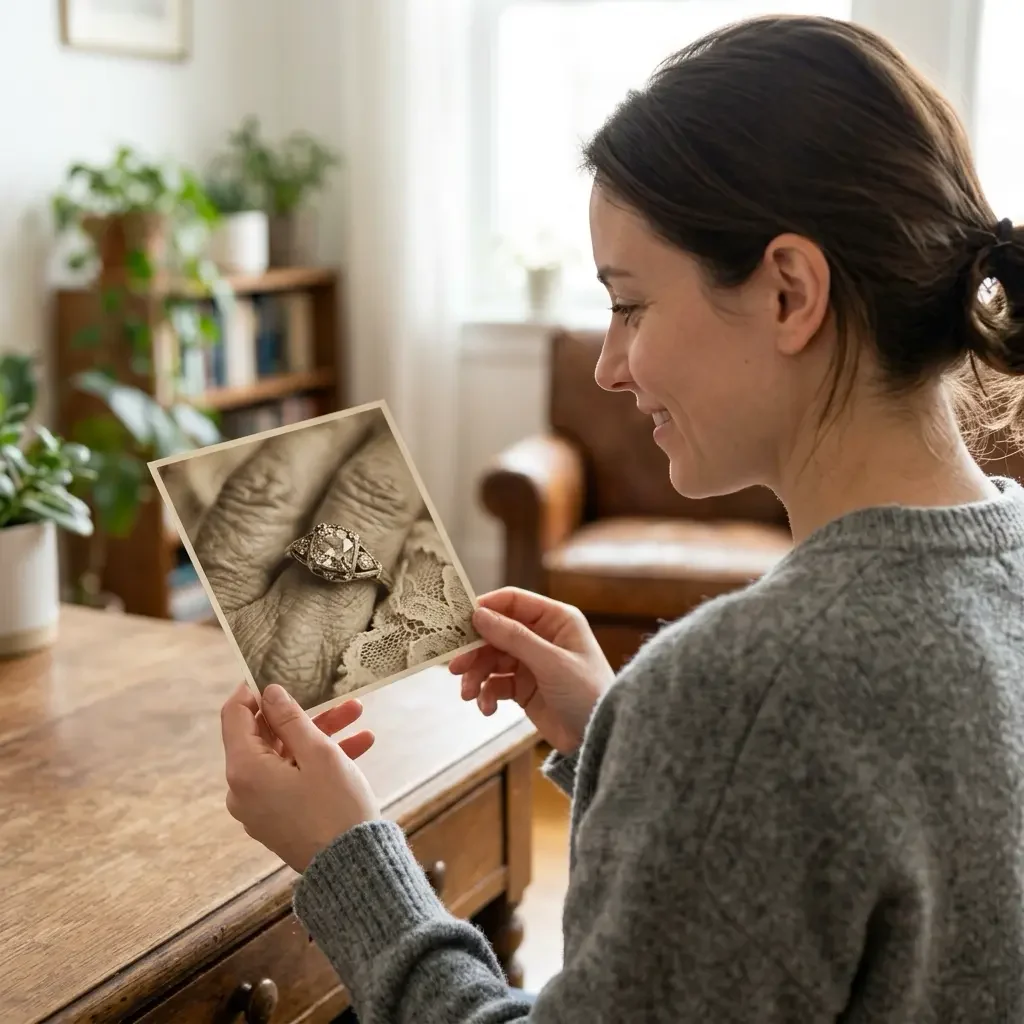
Building a Piece Around a Design You Love
Most people who come to our Midtown office or inquire online already have a picture in mind. A screenshot saved months ago. A photo of a grandmother's hand from 1958. An antique piece they admired in a case and walked away from. A style they've described to three jewelers who all shrugged.
That's a good place to start. When you already know what draws you — the shape, the proportions, the setting style, the feel of it — the hardest part of custom jewelry is behind you. What's left is designing your piece around what you love and building it properly.
First, what we can and can't build
This matters enough that we address it before anything else.
We do not reproduce jewelry that is protected by copyright, trademark, or design patent. That includes branded and signed designer pieces, and it includes applying any maker's mark, hallmark, or signature that isn't ours. We won't do it, and we won't quote on it.
Those protections exist for good reason, and we respect them fully. If you bring us something that falls into that category, we'll tell you straight away and talk with you about designing an original piece instead.
What we do build is your own design, developed with you, informed by whatever inspires you. In practice that covers the overwhelming majority of what people ask for.
Where the inspiration usually comes from
- Your own jewelry. A piece you own that's damaged, worn thin, or beyond repair, and you want it built again properly.
- Family pieces. An heirloom that went to a sibling, a ring sold decades ago, or something that survives only in an old photograph.
- A piece that no longer exists. Estate and antique jewelry you admired but couldn't buy, or older styles that simply aren't produced anymore.
- A collection of saved images. The folder on your phone that's been growing for two years. Usually there's a clear pattern in it once we look together — a shape, a stone cut, a level of detail you keep returning to.
- A general style you can describe. Art Deco geometry, a low-profile bezel, an East-West setting, heavy milgrain. No image required.
Your piece should fit you, not the photo
Something we see constantly: once people sit down with a design, they stop wanting a duplicate.
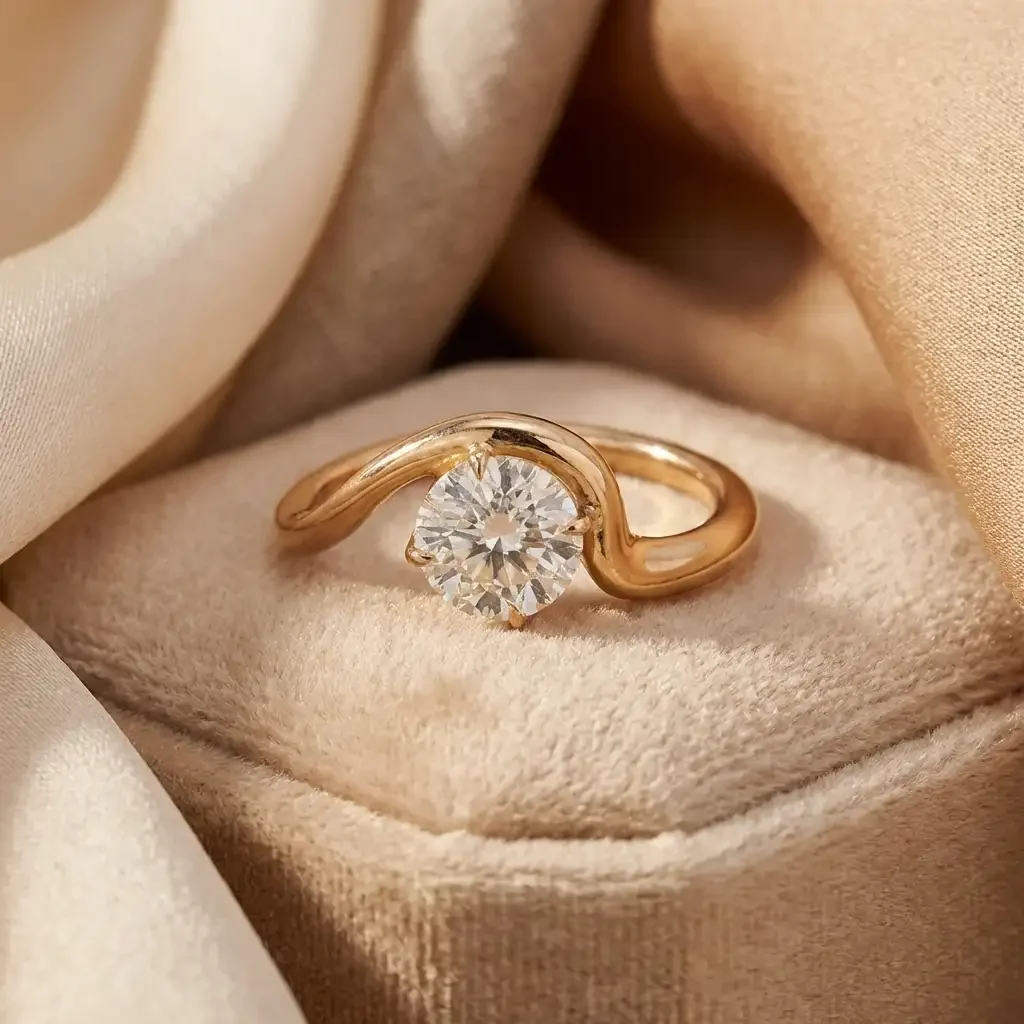
Whatever caught your eye was made for a different hand, a different stone, and often a different era. In CAD we can hold onto everything you actually respond to and adjust everything you don't. Keep the silhouette but widen the band, because you wanted something more substantial. Keep the setting style but build it for an oval instead of a cushion. Keep the overall character but work in platinum, because that's what you wear.
The result is a piece that carries what you loved and belongs to you. That's the point of custom jewelry, and it's the part a display case can't give you.
What to bring us
The more we have to work from, the better the outcome. Roughly in order of usefulness:
The piece itself, if you own it. Broken, bent, missing stones — condition doesn't matter. We measure directly.
Multiple photographs. Angles matter far more than resolution. A straight-on shot shows the face of the piece. A profile shows gallery height, prong style, and how it sits against the finger, all of which a front view hides. A photo of something being worn is especially useful, because a hand gives us scale.
An old appraisal or lab report. Underrated. These usually list metal, weight, stone dimensions, and setting style, often with a photo attached.
A description. Harder, but workable. We sketch, you react, we sketch again. Expect more rounds here — that's the process working, not a problem.
Setting expectations honestly
Metalwork we execute very closely. Prong style, milgrain, gallery detail, engraving, band profile, finish — CAD and a skilled bench jeweler handle all of it.
Stones are where nature sets the limits. No two natural diamonds are the same, so when you're working from an older piece with a distinctive center stone, we match shape, dimensions, color range, and cut character as tightly as your budget allows. We'll tell you plainly where a difference will be noticeable and where it won't.
Age is its own thing. A century of wear softens metal in a way that can't be manufactured, and we don't pretend otherwise. A new piece looks new. Most people are entirely comfortable with that once it's said out loud.
How it runs, and what it costs
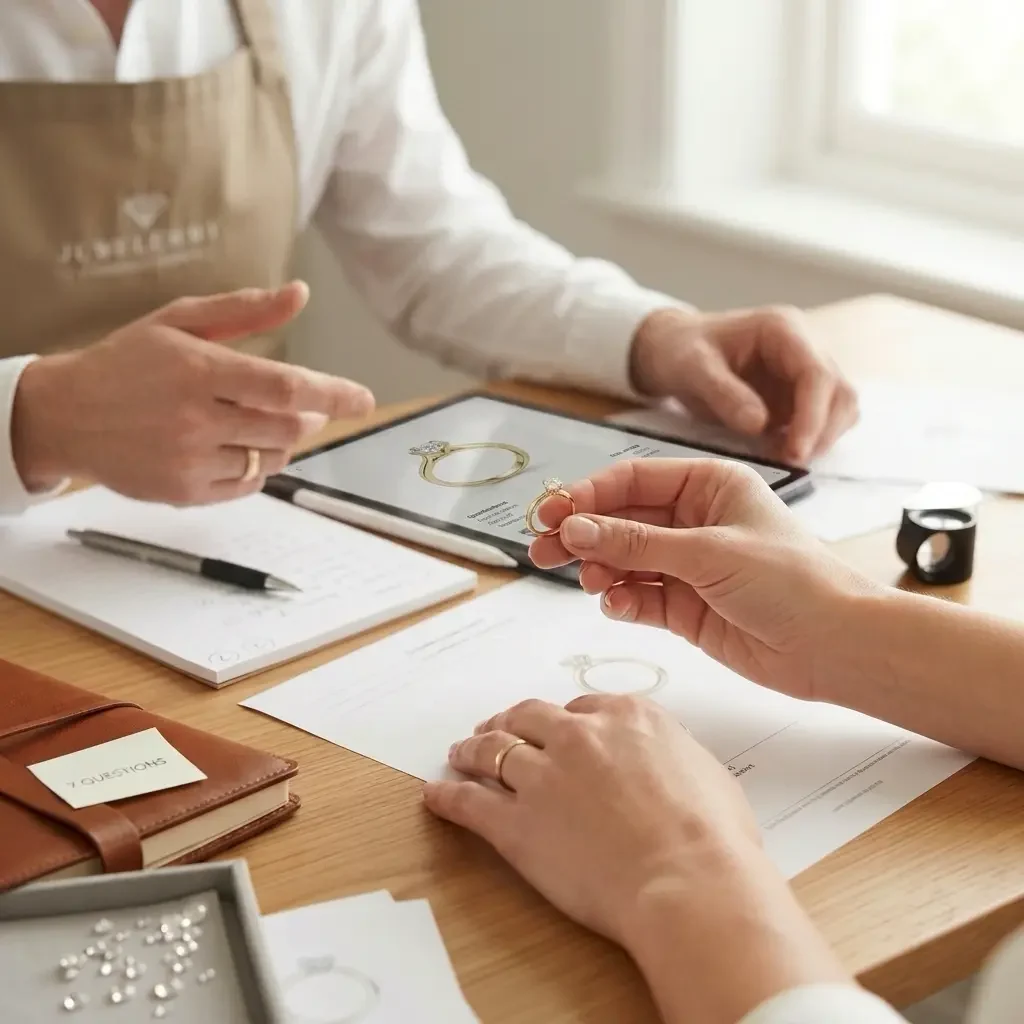
We begin with a consultation — in person at our office two blocks south of the Diamond District, or over video if you're not in New York. You show us what you have, we tell you what's realistic, and you get a price range before anything is drawn.
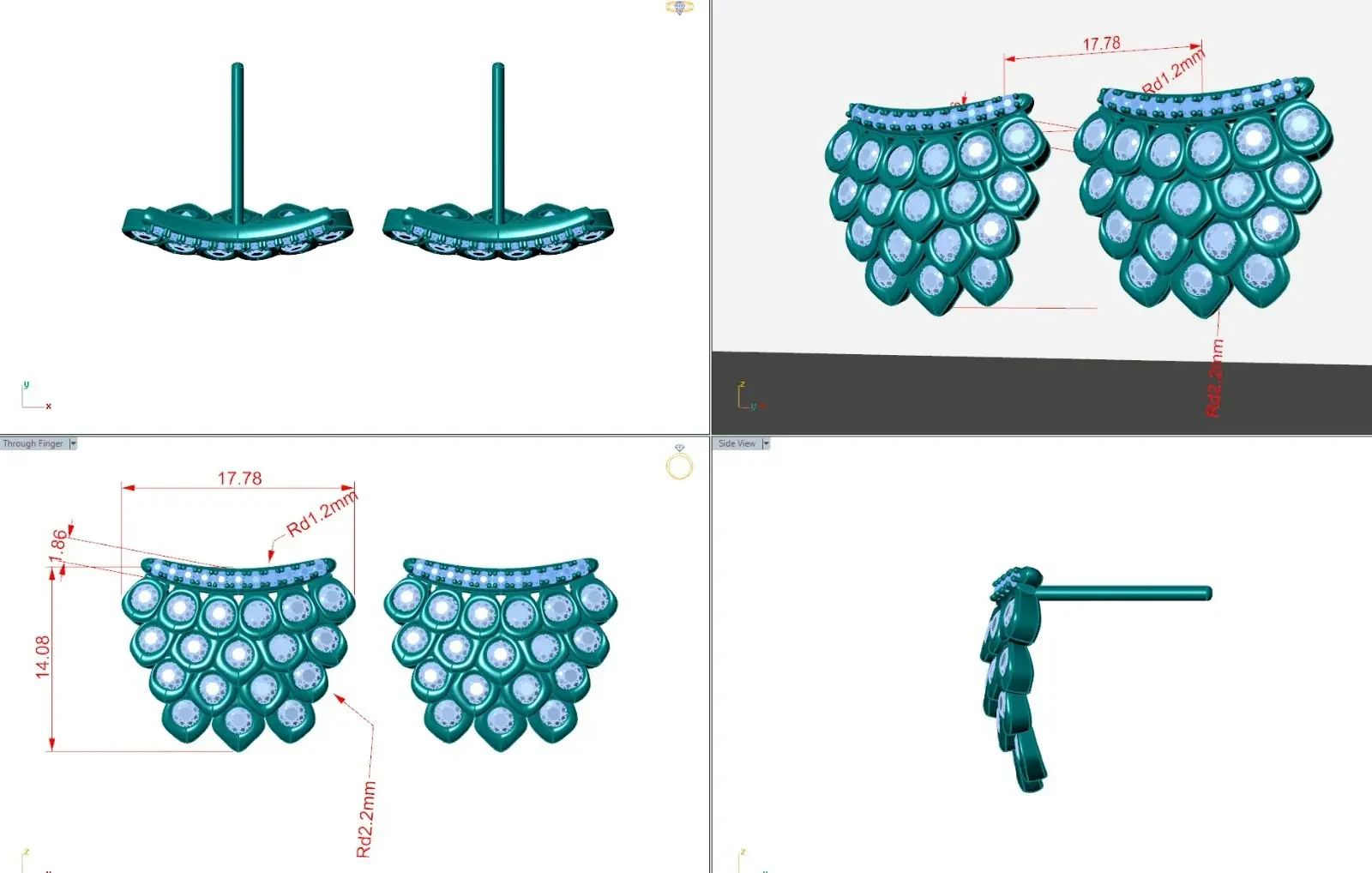
Then CAD renderings, which you review against your own references. Changes at this stage are free and quick, so it pays to be particular. Once approved, we can print a resin model so you can hold the actual size and proportion before any gold is committed. Then casting, setting, finishing. Most projects run three to five weeks.
Working from a clear reference generally costs no more than starting from a blank page, and sometimes less. The setting rarely drives the price — stones and metal weight do. If you already own diamonds or gemstones, remounting your own stones into the new design is often the most sensible route, and it keeps something of the original in the finished piece.
Start with what you have
A photo, an old piece, or a description is enough to begin. We design and build engagement rings, wedding bands, pendants, and earrings as custom made jewelry, produced in the USA.
The Custom Jeweler
2 West 45th Street, Suite 1705, New York, NY 10036
By appointment, two blocks south of the Diamond District.

Matthew Howe - Director of Operations — The Custom Jeweler
Matthew Howe has worked in diamonds since 2012, spending his first years alongside the buyers at a recycled and estate diamond wholesaler — learning how stones are graded, priced, and marked up well before they reach a retail case. He runs The Custom Jeweler day to day and still works client projects himself: the first call, the stone list, CAD approvals, and the last photos before a piece ships. Most of what he writes started as a question a client asked him on the phone.


.webp)